29 June 2026
School ERP Software Features Explained (2026 Guide)
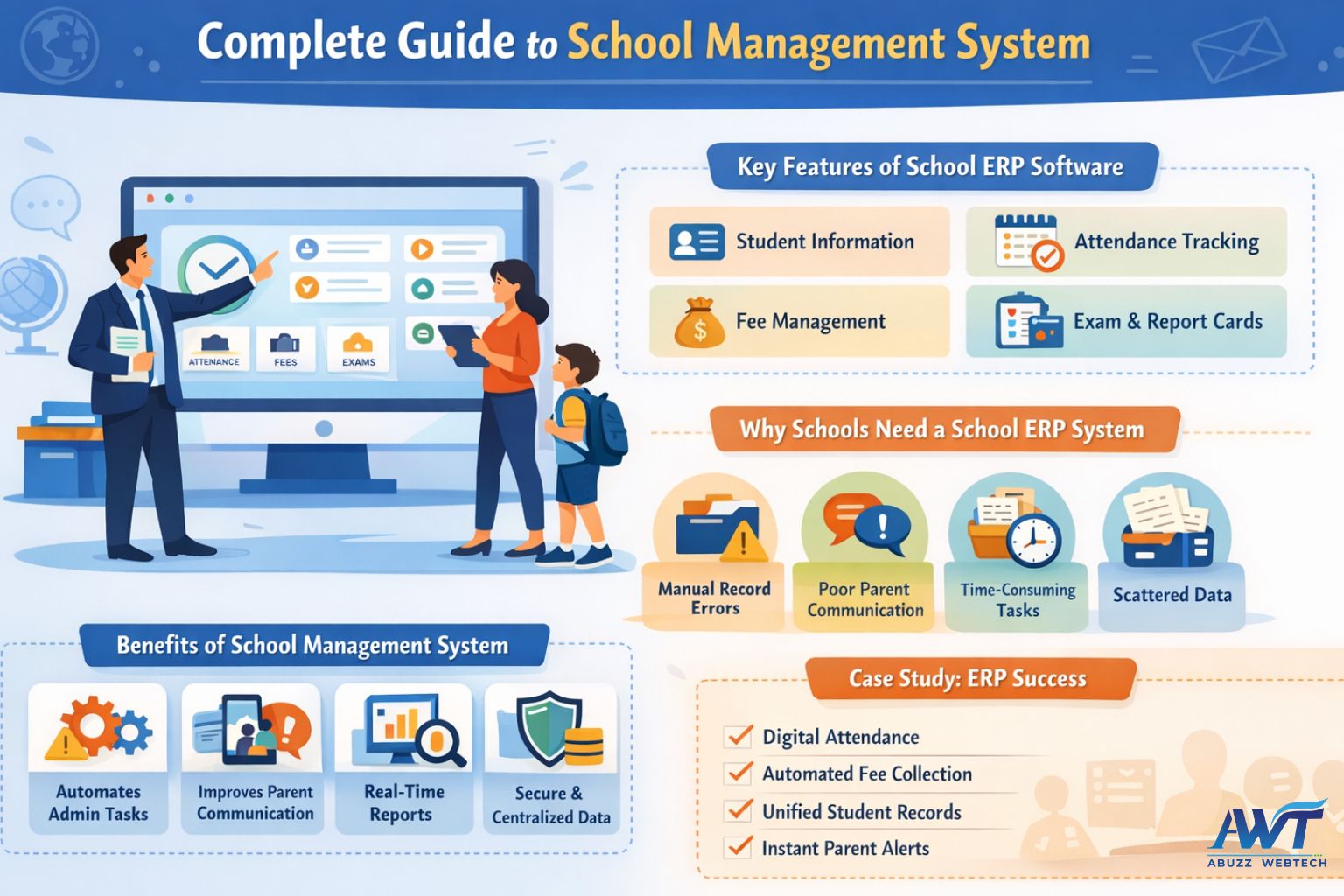
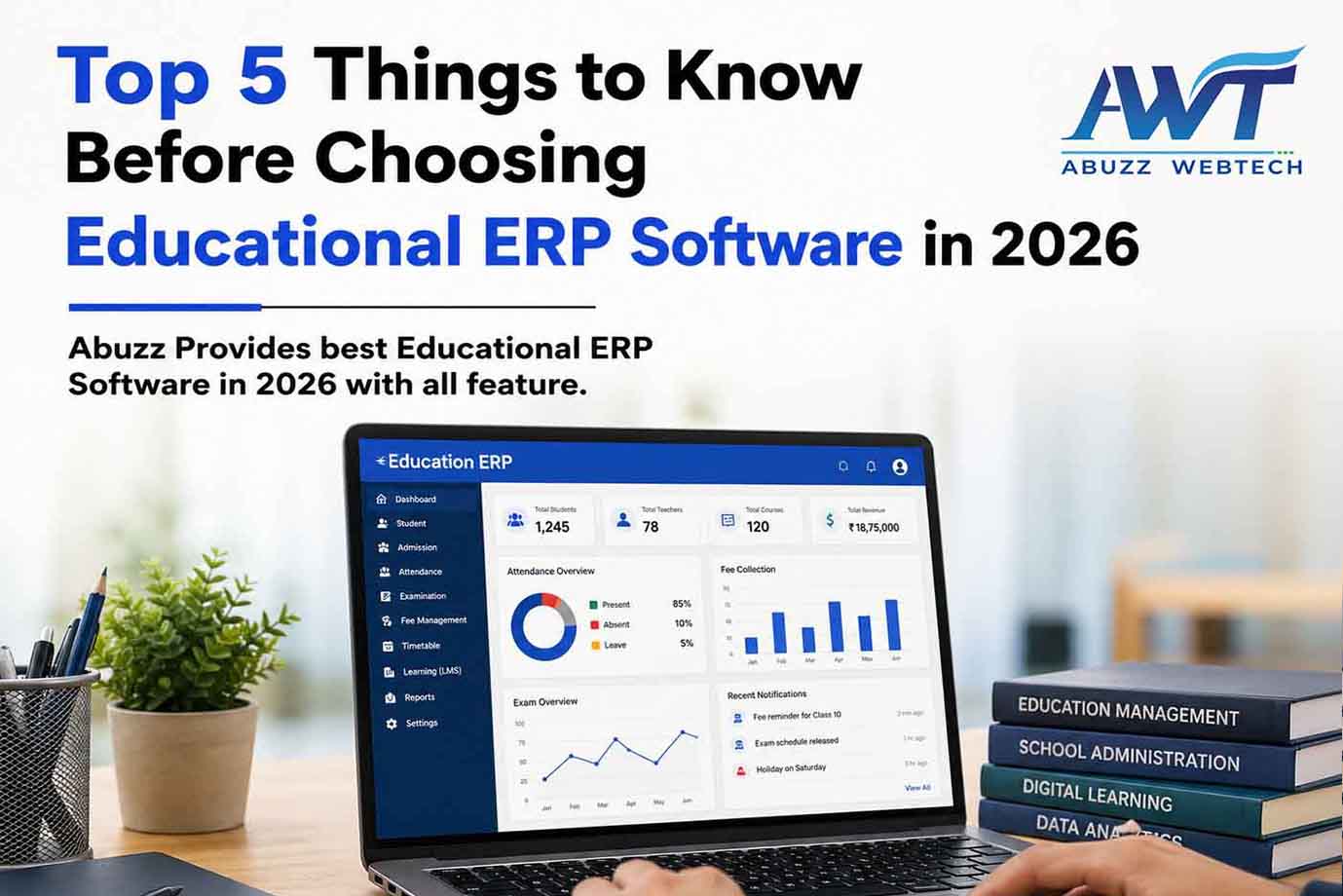
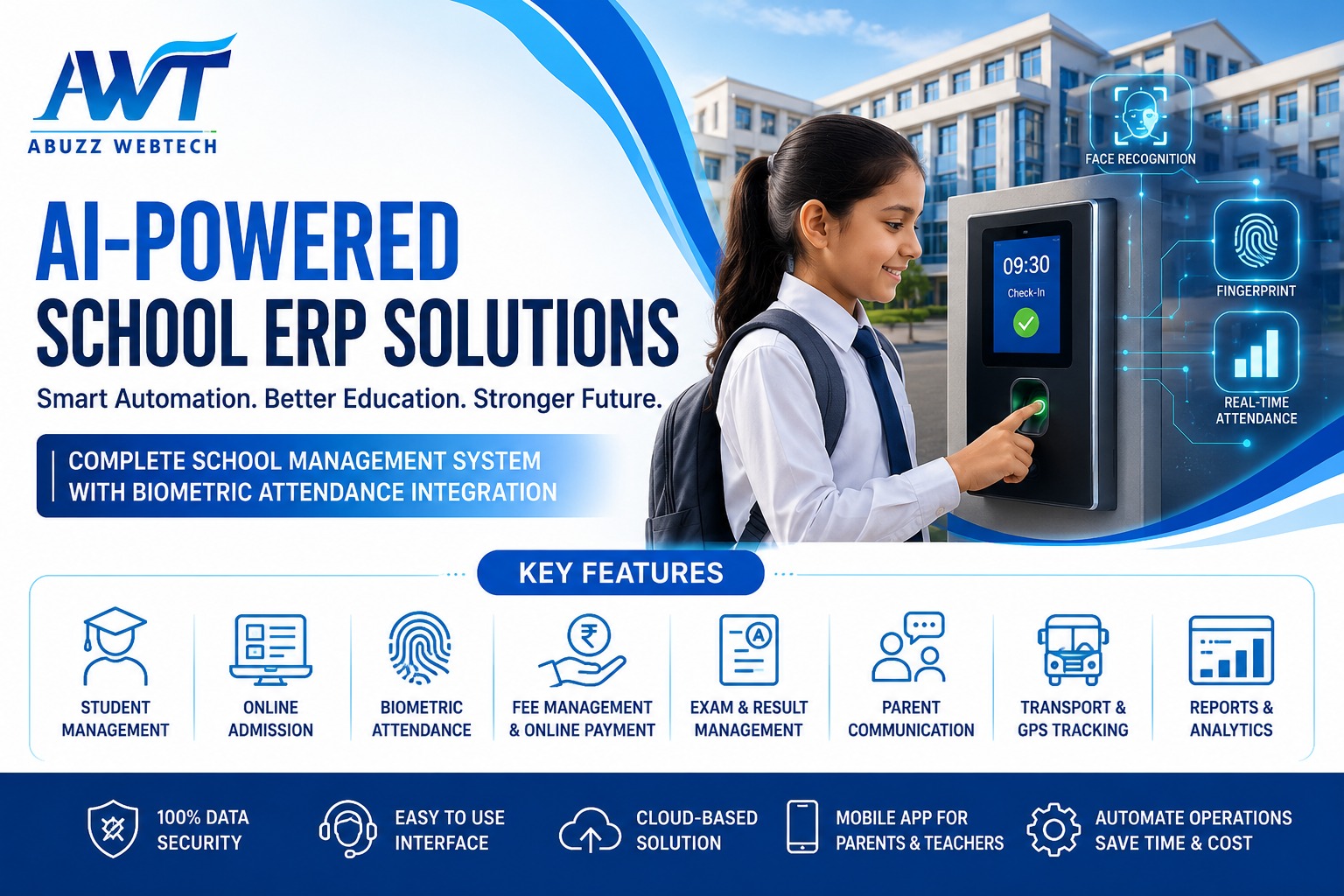
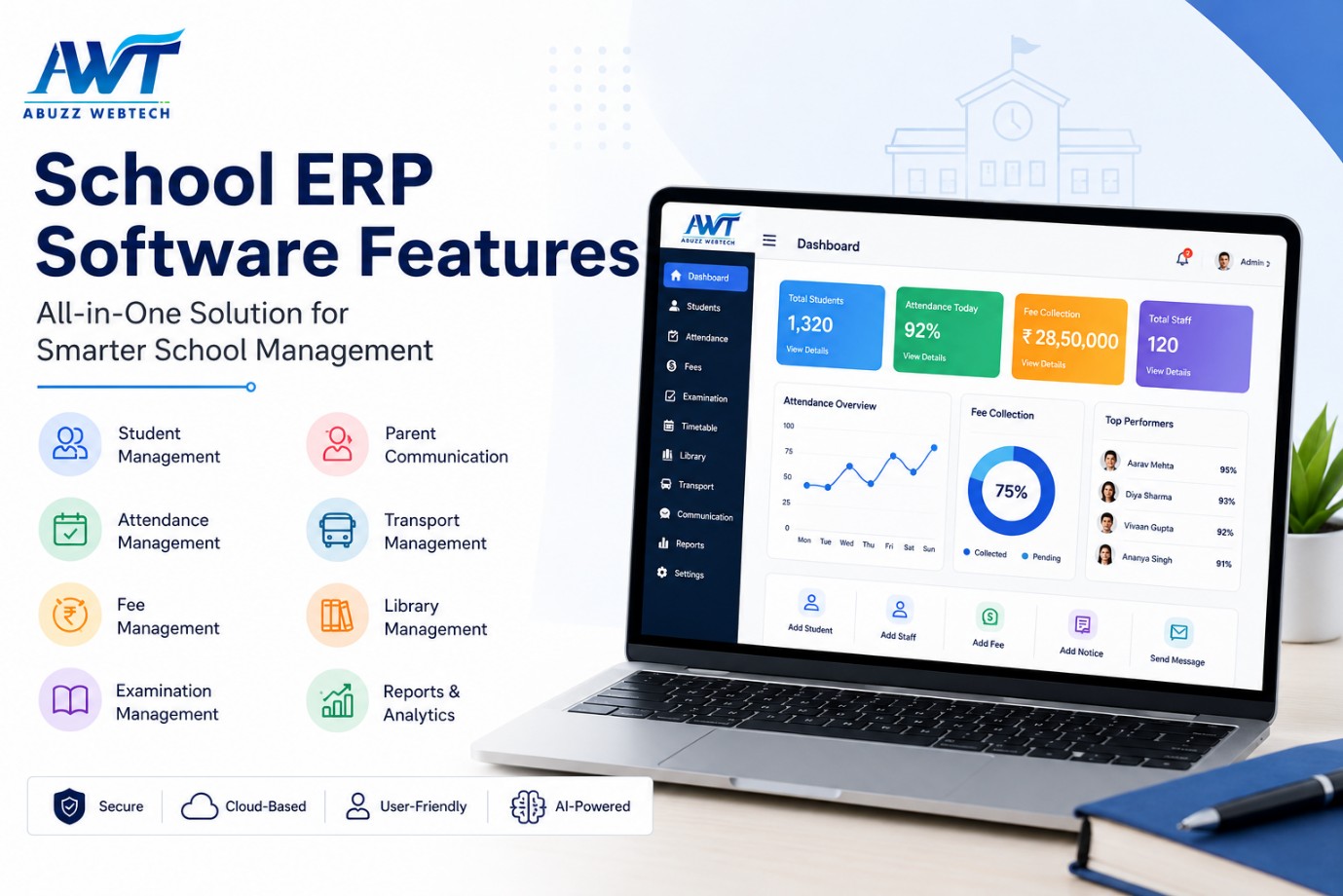
School ERP Software is an integrated digital platform that automates admissions, attendance, fee collection, examinations, communication, HR, and academic management. By centralizing school operations into one cloud-based system, it improves efficiency, reduces administrative workload, and enables data-driven decision-making.
Managing a School Shouldn't Be Complicated
Running a modern school involves much more than maintaining student records or conducting examinations. Today, educational institutions must efficiently manage admissions, attendance, fee collection, examinations, transportation, communication, staff, compliance, and academic planning while delivering an exceptional experience for students and parents.
Many schools still rely on manual processes, spreadsheets, or multiple disconnected software applications. This often leads to duplicate work, communication gaps, delayed reporting, and unnecessary administrative burden.
As schools continue to embrace digital transformation, investing in the right School ERP Software is no longer a luxury it's a strategic necessity.
A cloud-based School ERP centralizes every academic and administrative process into one intelligent platform. It enables school leaders to automate repetitive tasks, improve operational efficiency, access real-time reports, and make informed decisions based on accurate data.
With over 20 years of experience in education technology, Abuzz Webtech has helped educational institutions simplify school management through scalable, secure, and intelligent ERP solutions designed for today's evolving educational landscape.
Why Schools Need School ERP Software in 2026
Education is becoming increasingly data-driven. Parents expect instant updates, teachers require digital tools to manage classrooms effectively, and school management teams need accurate reports to support strategic decision-making.
Without an integrated ERP platform, schools often encounter several operational challenges.
| Common Challenge | Business Impact | ERP Solution |
|---|---|---|
| Manual admission process | Slow enrollment and paperwork | Automated Admission Management |
| Attendance maintained manually | Errors and delayed parent updates | Real-time Attendance Management |
| Fee collection through spreadsheets | Payment delays and reconciliation issues | Online Fee Management with Payment Gateway |
| Multiple software applications | Duplicate data and inefficiency | Centralized School ERP Platform |
| Manual examination processing | Time-consuming result preparation | Automated Examination & Result Management |
| Limited communication | Reduced parent engagement | Parent Communication Portal & Mobile App |
A comprehensive School ERP Software addresses these challenges by integrating every department into a single cloud-based platform. This allows administrators, teachers, parents, and students to access accurate information whenever they need it, resulting in smoother operations and an enhanced educational experience.
Why Cloud-Based School ERP Is the Future
Modern schools require technology that is secure, scalable, and accessible from anywhere. Cloud-based ERP solutions eliminate the need for expensive infrastructure while providing automatic updates, secure data storage, and anytime access across web and mobile devices.
Whether your institution is a CBSE school, ICSE school, State Board school, or an international school, adopting a cloud-based School ERP helps reduce administrative workload and supports long-term digital transformation.
Ready to Modernize Your School Operations?
Discover how Abuzz School ERP Software can automate admissions, attendance, fee management, examinations, and parent communication—all from one secure, cloud-based platform.
👉 Book Your Free Demo TodayTop 20 School ERP Software Features Every School Needs in 2026
Selecting the right School ERP Software is about much more than digitizing attendance or collecting fees online. A modern School Management System should connect every academic and administrative department, giving school leaders complete visibility into daily operations while reducing manual effort.
Below are the most important School ERP Software features every educational institution should look for in 2026.
1. Student Admission Management
The admission process is often the first interaction parents have with your institution. Manual admission workflows consume time and increase the chances of documentation errors.
An integrated Admission Management System automates enquiries, online registration, document verification, application tracking, and admission approvals from a single dashboard.
Key Benefits
- Online admission forms
- Digital document verification
- Admission status tracking
- Automated notifications
- Reduced paperwork
2. Student Information System (SIS)
A Student Information System (SIS) serves as the central repository for all student-related information throughout their academic journey.
Schools can securely manage:
- Personal details
- Academic history
- Attendance records
- Examination results
- Fee information
- Medical records
- Parent information
With centralized student records, administrators no longer need multiple spreadsheets or manual files.
3. Smart Attendance Management
Manual attendance registers are time-consuming and prone to errors.
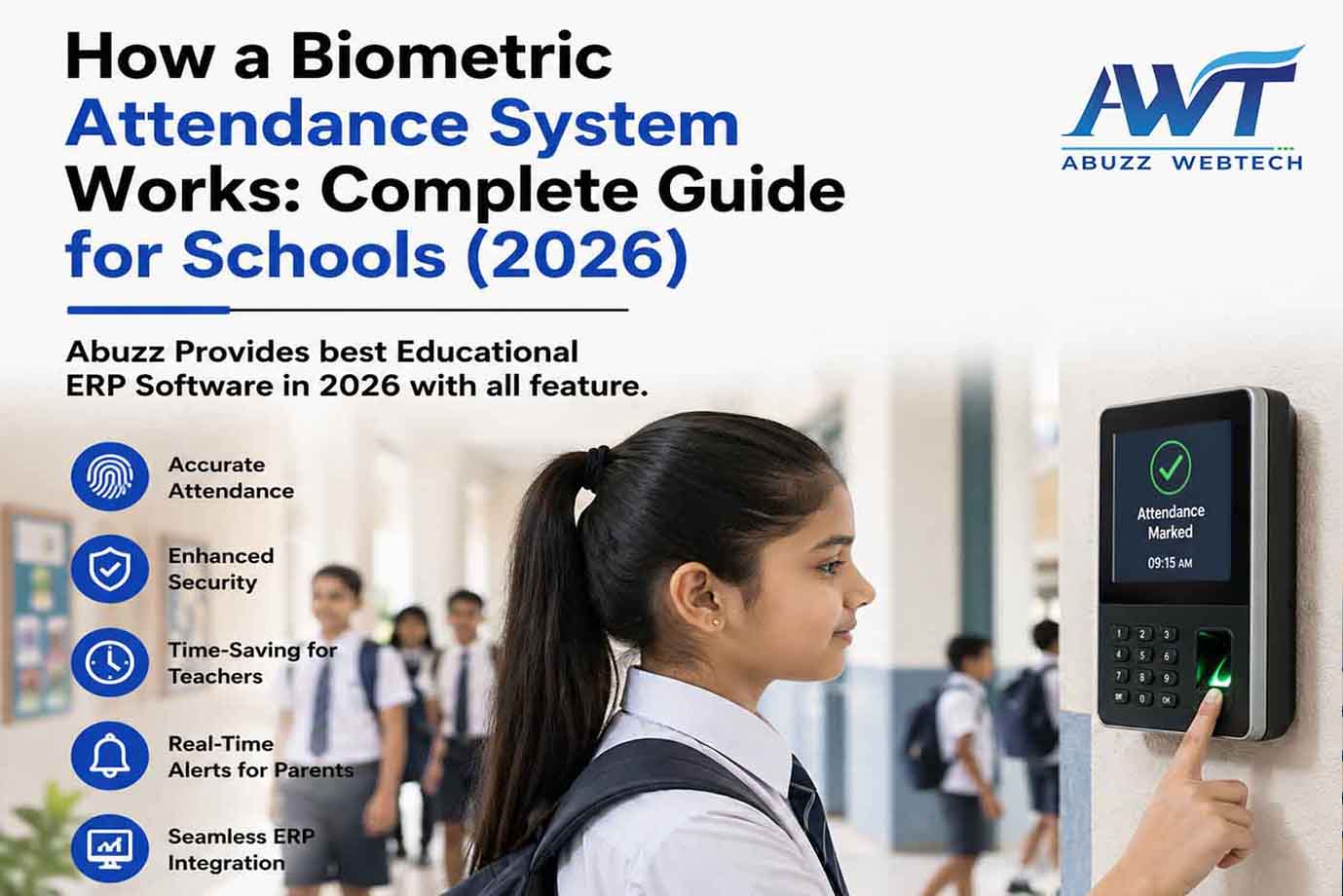
Modern Attendance Management Software enables teachers to record attendance digitally while instantly notifying parents about student absences.
Advanced ERP platforms also support:
- RFID Attendance
- Biometric Attendance
- Face Recognition Attendance
- Mobile Attendance
- Attendance Analytics
Benefits
- Saves teacher time
- Improves attendance accuracy
- Enhances parent communication
4. Online Fee Management
Managing school finances manually often results in delayed payments and complex reconciliation.
A modern Fee Management System automates the complete fee collection process.
Features include:
- Online payment gateway integration
- Auto-generated receipts
- Fee reminders
- Installment management
- Scholarship tracking
- Due payment reports
- Financial dashboards
This improves cash flow while providing parents with a seamless payment experience.
5. Examination & Result Management
Preparing examinations manually requires significant administrative effort.
A comprehensive Examination Management System allows schools to:
- Schedule examinations
- Configure grading systems
- Enter marks online
- Generate report cards
- Analyze class performance
- Publish results digitally
This minimizes manual work while ensuring accuracy and transparency.
6. Timetable Management
Creating class schedules manually becomes increasingly complex as schools grow.
A digital timetable module automatically generates optimized schedules while avoiding teacher and classroom conflicts.
Benefits include:
- Teacher workload balancing
- Classroom allocation
- Substitute scheduling
- Real-time timetable updates
7. Parent Communication Portal
Effective communication strengthens trust between schools and parents.
An integrated Parent Portal allows schools to instantly share:
- Attendance updates
- Homework
- Circulars
- Examination schedules
- Fee reminders
- Academic progress
- Event notifications
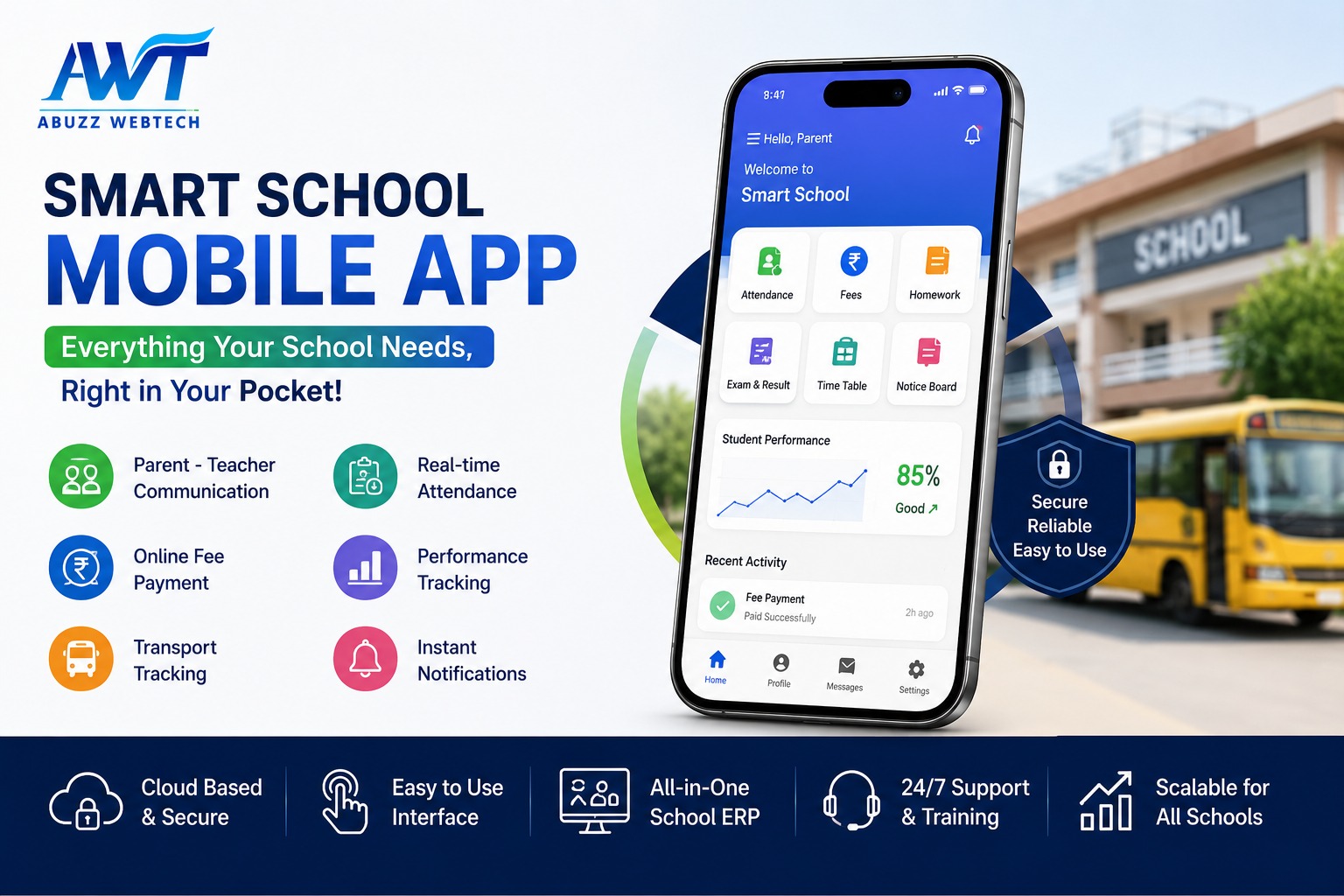
Parents can stay informed through a secure web portal or mobile application.
8. Homework & Assignment Management
Teachers can assign, monitor, and evaluate homework digitally through the ERP platform.
Students receive assignments online, submit work digitally, and receive timely feedback—creating a more organized learning experience.
9. Learning Management System (LMS)
As blended learning becomes more common, integrating a Learning Management System (LMS) with your ERP is essential.
An LMS enables schools to:
- Deliver online classes
- Upload study materials
- Conduct quizzes
- Share recorded lectures
- Track student progress
- Manage online assessments
10. Library Management System
Managing thousands of books manually is both time-consuming and inefficient.
A digital Library Management System simplifies:
- Book cataloguing
- Issue and return tracking
- Barcode scanning
- Fine calculation
- Inventory management
Students and staff can also search available books online.
11. Transport Management
Student safety begins with efficient transport management.
The ERP enables administrators to manage:
- Vehicle information
- Driver records
- Route planning
- Student transport allocation
- Pickup and drop tracking
Parents receive timely updates regarding transportation schedules.
12. HR & Payroll Management
Schools often manage large teaching and administrative teams.
An integrated HR & Payroll Management System simplifies:
- Employee records
- Leave management
- Attendance
- Salary processing
- Payroll reports
- Tax calculations
13. Hostel Management
Residential schools require dedicated hostel administration.
The hostel module manages:
- Room allocation
- Occupancy status
- Hostel fee collection
- Visitor records
- Student movement
- Maintenance requests
14. Inventory & Asset Management
Schools invest significantly in computers, laboratory equipment, sports materials, and classroom resources.
An Inventory Management module tracks assets, monitors stock levels, and reduces unnecessary purchases.
15. AI-Powered Analytics Dashboard
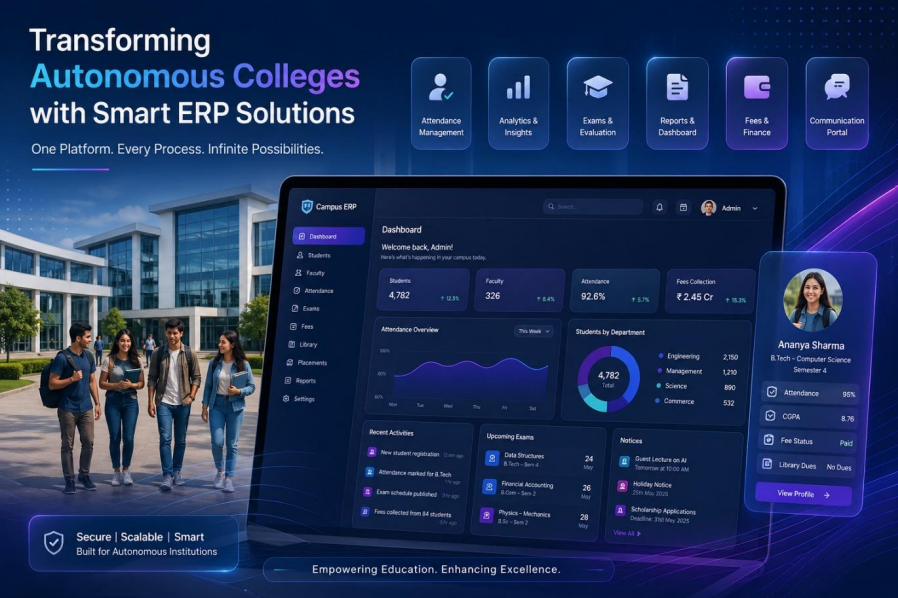
One of the biggest advantages of a modern School ERP Software is access to real-time data.
AI-powered dashboards help management analyze:
- Student performance
- Attendance trends
- Fee collection
- Staff productivity
- Academic progress
- Financial reports
These insights support faster and smarter decision-making.
How to Choose the Best School ERP Software
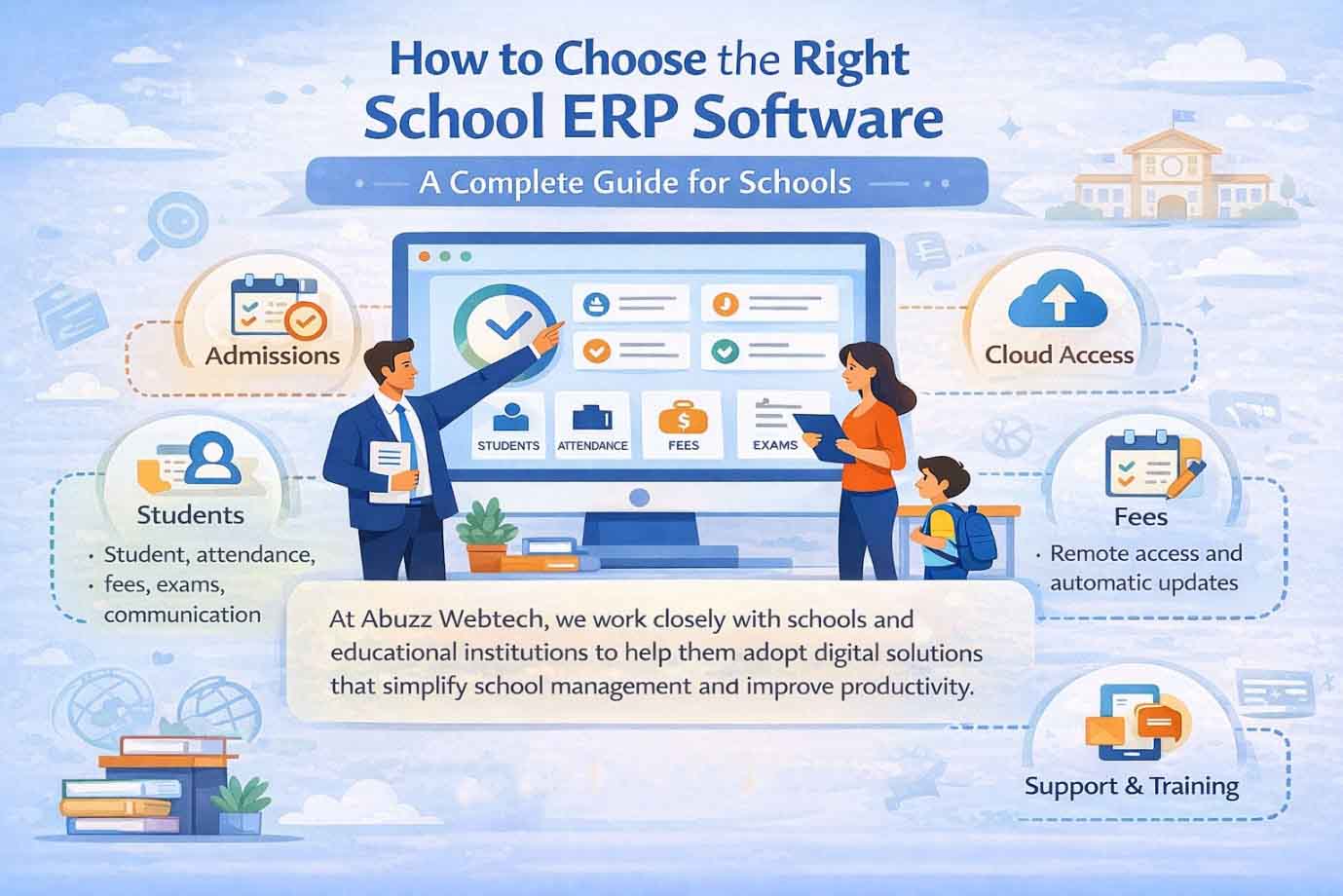
Choosing the right School ERP Software is a long-term investment that directly impacts your institution's efficiency, productivity, and overall educational experience. Rather than selecting software based solely on price, schools should evaluate how well the solution aligns with their operational requirements and future growth.
Checklist for Selecting the Right School ERP
Before making a decision, ensure your ERP solution offers:
- ✔ Cloud-based deployment for secure access anytime, anywhere
- ✔ Easy-to-use interface for teachers, students, parents, and administrators
- ✔ Mobile application for seamless communication
- ✔ Integrated Learning Management System (LMS)
- ✔ Online fee payment with payment gateway integration
- ✔ Student Information System (SIS)
- ✔ Attendance and examination management
- ✔ HR & Payroll management
- ✔ Library, Transport, and Hostel modules
- ✔ AI-powered analytics and reporting
- ✔ Data security with role-based access
- ✔ Customizable workflows to suit your institution
- ✔ Dedicated implementation, training, and customer support
A comprehensive ERP platform should not only solve today's challenges but also scale with your institution as it grows.
Common Mistakes Schools Make While Choosing ERP Software
Many institutions invest in software without fully evaluating their long-term needs. This often leads to poor adoption, higher operational costs, and frequent software changes.
Avoid These Common Mistakes
| Mistake | Impact | Best Practice |
|---|---|---|
| Choosing software based only on price | Limited functionality | Evaluate long-term value and scalability |
| Selecting multiple standalone applications | Data duplication and inefficiency | Choose an integrated School ERP |
| Ignoring future expansion | Costly software migration | Select a scalable cloud-based solution |
| Overlooking training and support | Low user adoption | Partner with an experienced ERP provider |
| Ignoring data security | Risk of data breaches | Choose software with strong security standards |
Investing in a robust ERP solution from the beginning saves time, reduces operational costs, and minimizes future disruptions.
AI Is Transforming School ERP Software
Artificial Intelligence is changing the way educational institutions manage academic and administrative operations.
Modern AI-powered School ERP Software goes beyond automation by providing intelligent insights that help school leaders make informed decisions.
AI capabilities include:
- Predicting student performance trends
- Identifying attendance patterns
- Automating routine administrative tasks
- Generating smart academic reports
- Providing personalized learning insights
- Supporting data-driven decision-making
As schools continue to embrace digital transformation, AI-powered ERP solutions will play an increasingly important role in improving operational efficiency and academic outcomes.
Cloud-Based ERP vs On-Premise ERP
One of the most common questions schools ask is whether they should choose a cloud-based ERP or an on-premise solution. The table below compares the two options to help schools make an informed decision.
| Feature | Cloud-Based ERP | On-Premise ERP |
|---|---|---|
| Initial Investment | Lower | Higher |
| Software Updates | Automatic | Manual |
| Accessibility | Anywhere, Anytime | Limited to Local Network |
| Data Backup | Automatic | Managed by Institution |
| Scalability | Easy | Limited |
| Maintenance | Vendor Managed | Institution Managed |
| Security | Enterprise-Level Cloud Security | Depends on Local Infrastructure |
Transform Your School with Abuzz Webtech
With over 20 years of experience in education technology, Abuzz Webtech provides cloud-based School ERP solutions that simplify administration, enhance collaboration, and improve academic performance.
Whether you manage a small school or a multi-campus institution, our ERP platform is designed to grow with your needs.
Frequently Asked Questions (FAQs)
1. What are the key School ERP Software features?
The essential School ERP Software features include admission management, attendance tracking, fee management, examinations, student information, parent communication, timetable management, HR & payroll, transport management, library management, and detailed analytics.
These features help automate daily school operations, reduce manual work, improve communication, and provide better control over academic and administrative processes.
2. How do I choose the best School ERP Software?
Choose a cloud-based School ERP that is easy to use, secure, scalable, and accessible from both desktop and mobile devices.
Ensure it includes the modules your school requires, offers regular updates, reliable customer support, data security, and can grow with your institution's future needs.
3. How much does School ERP Software cost in India?
The cost of School ERP Software in India depends on factors such as the number of students, required features, deployment model, and customization needs.
Most ERP providers offer flexible and customized pricing plans, allowing schools to choose a solution that fits their budget and operational requirements.
4. Can School ERP Software support online fee payments and attendance?
Yes. Modern School ERP Software supports secure online fee payments through integrated payment gateways and simplifies attendance management using biometric devices, RFID, QR codes, or mobile apps.
These integrations improve accuracy, save time, and provide real-time updates to teachers, administrators, students, and parents.
5. Why should schools choose cloud-based School ERP Software?
Cloud-based School ERP Software allows schools to access their data anytime and from anywhere while ensuring secure storage and automatic software updates.
It reduces IT maintenance costs, improves collaboration, offers better scalability, and enables schools to efficiently manage operations without investing in expensive infrastructure.